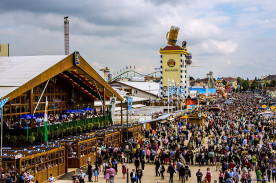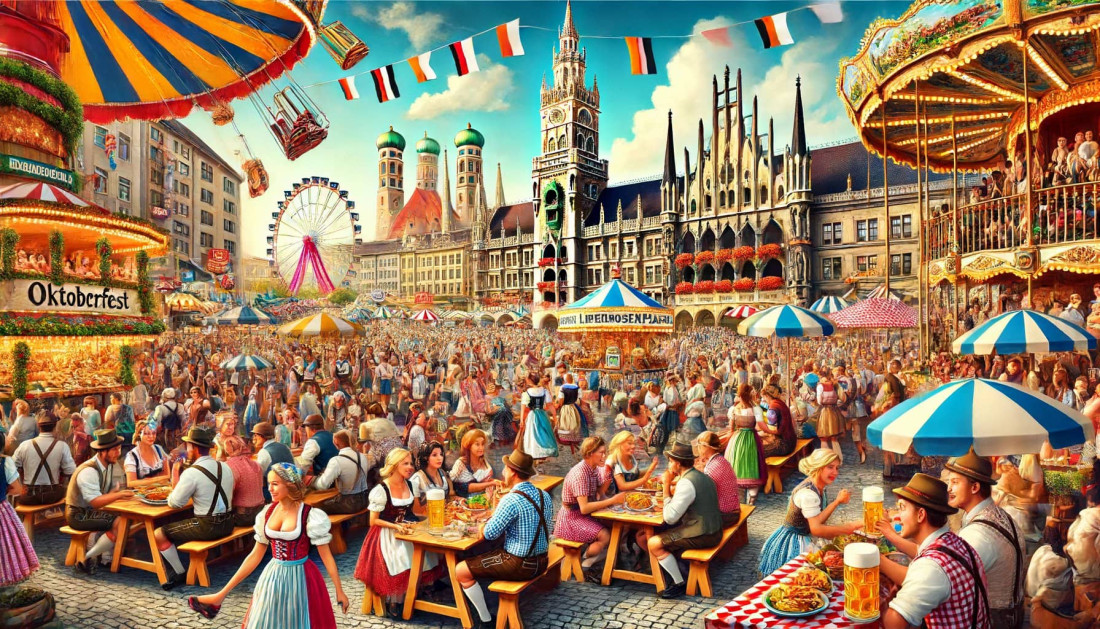
Oktoberfest is a significant tourist attraction and a major economic driver for Germany's tourism industry, generating nearly €1.2 billion annually. Since 1810, the Oktoberfest celebrations unfold every year from mid-September to the first Sunday in October, drawing between 5 and 7 million visitors.
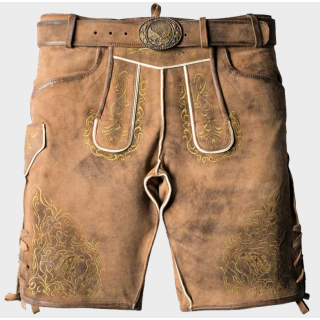
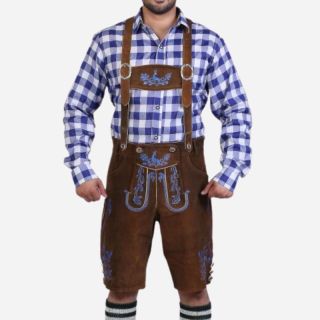
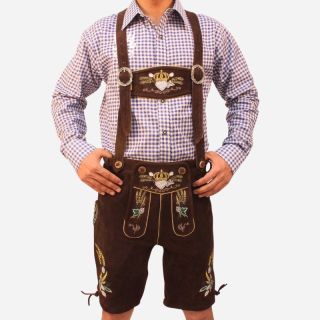
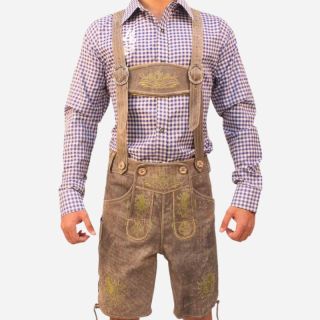
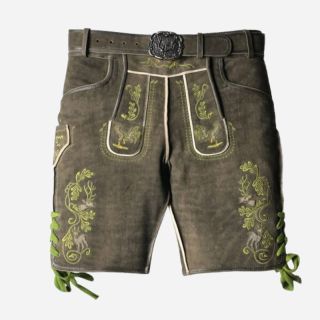
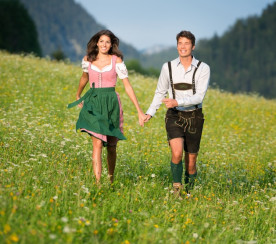
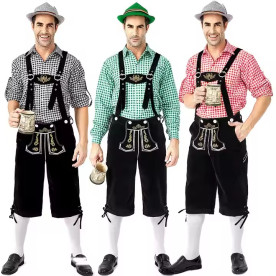
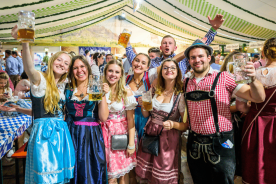
According to a Muenchen Press Release, 71% of the attendees come from Bavaria and Munich, 15% from other federal states of Germany, and 14% from abroad. During the festival, numerous breweries produce Bavarian beer with an authentic taste. Both locals and tourists enjoy the festivities in traditional dirndl dresses and Lederhosen shorts.
Role of Oktoberfest in Promoting Tourism Opportunities in Germany
Boosting Local Tourism
The annual Oktoberfest celebration significantly stimulates the local tourism industry. Local restaurants, hotels, transportation services, dining establishments, and businesses benefit economically as festival-goers fill bars and hotels throughout the weekend. Patti Berra, Oktoberfest board president, noted, “Oktoberfest helps area businesses.”
Munich transforms into a bustling global hub during Oktoberfest. The influx of local and international visitors significantly boosts the local economy, particularly the tourism sector. Beyond the festival itself, popular tourist attractions like Marienplatz, Viktualienmarkt, and Rothenburg ob der Tauber see a notable increase in visitors, further contributing to the city's economic rise.
Extending Tourism Season
Oktoberfest extends Munich’s tourist season. Typically, the summer months are the peak tourism period in Germany. However, Oktoberfest, which takes place from late September to the first week of October, attracts a global audience outside the peak season. This results in a steady income stream for local businesses such as hotels, restaurants, and other tourism-related industries throughout the year.
Surge in Hospitality Revenue
The demand for temporary accommodations surges during Oktoberfest. The festival significantly boosts revenue for hotels, guesthouses, and other rental platforms in Munich and surrounding areas. During the peak season, the hospitality industry charges premium rates, greatly contributing to the city’s overall revenue.
Promoting Cultural Tourism
Oktoberfest highlights Munich and Bavarian culture on a global stage, attracting visitors interested in German traditions. This cultural interest fosters a deep understanding and appreciation of local crafts, customs, and history, leading to a diversified tourism portfolio.
Rise in Food Sales
The festival results in high food and beverage sales, benefiting local cafes, restaurants, and breweries. The demand for traditional Bavarian cuisine is particularly high, not just on festival grounds but throughout Munich. This helps sustain the culinary revenue surge from local food businesses.
Enhanced Transportation and Logistics
As Oktoberfest turns Munich into a global tourist destination, the city experiences increased travel needs during the festival and peak tourism seasons. Taxis, buses, trains, and flights are in high demand, leading to increased revenue for the city’s transportation companies.
Diverse Tourist Demographics
Oktoberfest attracts a diverse audience, from beer enthusiasts to cultural aficionados, families, friends, and more. This versatility expands Munich’s tourism appeal among different age groups and interests. The variety of activities and offerings during Oktoberfest, including traditional music, food, parades, and amusement rides, contribute to tourism spending on festival grounds, estimated at up to 450 million euros, and encourage a broader demographic to explore Munich.
Oktoberfest's Global Economic Impact
Oktoberfest, which started as a royal wedding celebration, has become a global phenomenon with significant impacts on the local tourism industry. This local event has transformed into an international tourist attraction, creating notable economic impacts for Munich and its surroundings. Beyond financial growth, the festival fosters a rich cultural atmosphere, attracting millions worldwide.
Economic Ripple Effects
The economic impact of Oktoberfest extends beyond immediate spending. It includes the multiplier effect of money spent by visitors circulating through the local economy. For instance, suppliers to hotels, restaurants, and breweries also benefit, creating a ripple effect of economic benefits.
Increased Employment Opportunities
The influx of tourists during Oktoberfest leads to a surge in employment opportunities. From temporary jobs in hospitality and retail to long-term positions in tourism-related sectors, the festival boosts job creation and supports local employment.
Brand Building for Munich
Oktoberfest serves as a powerful branding tool for Munich. The festival's global recognition helps position the city as a vibrant, culturally rich, and welcoming destination, which can attract tourists year-round.
Infrastructure Improvements
To accommodate the massive influx of tourists, Munich invests in infrastructure improvements. This includes better roads, enhanced public transport systems, and upgraded facilities, which benefit both residents and future visitors.
Long-Term Tourism Growth
The visibility and popularity of Oktoberfest contribute to long-term tourism growth. Visitors who experience the festival often return to explore more of Germany, boosting the country's tourism sector over time.
Support for Local Artisans
The festival also supports local artisans and craftsmen who create traditional Bavarian attire, souvenirs, and other goods. This helps preserve cultural heritage and provides economic opportunities for small businesses.
Environmental Impact Management
While the festival brings economic benefits, it also necessitates careful management of environmental impacts. Munich implements various measures to ensure sustainability, such as waste management and public transport initiatives.
Strengthening International Relations
Oktoberfest fosters international relations by bringing together people from around the world. The cultural exchange and camaraderie promote goodwill and understanding, enhancing Germany's global image.
Social and Cultural Benefits
Beyond economic gains, Oktoberfest strengthens social and cultural bonds. The festival provides a platform for celebrating Bavarian traditions, fostering community spirit, and promoting cultural pride.
Future Prospects
Looking ahead, Oktoberfest's economic impact is expected to grow. With ongoing efforts to innovate and enhance the festival experience, Munich is poised to continue reaping the benefits of this iconic event.
Conclusion
Oktoberfest is more than just a festival; it is a cornerstone of Munich's economy and a showcase of Bavarian culture. Its economic impacts are profound, touching various sectors of the tourism industry and beyond. By drawing millions of visitors each year, Oktoberfest not only boosts local revenue but also strengthens the city's global reputation. As the festival continues to evolve, its contribution to the economy and culture of Munich remains invaluable.
FAQs
How many days is Oktoberfest celebrated?
Oktoberfest continues for 18 days, from mid-September to the first Sunday of October.
What is the entry cost of Oktoberfest?
The entry to Oktoberfest is free as there is no ticket. You only have to buy a ticket worth €4 to enter Oide Wiesn, the most traditional spot at the event. Entry to Oide Wiesn is free after 9 p.m.
How many visitors does Oktoberfest attract?
Oktoberfest attracts almost 5 to 7 million visitors each year.
What percentage of Oktoberfest attendees are from abroad?
According to Muenchen Press Release, 14% of Oktoberfest attendees are from abroad.
How much revenue does Oktoberfest generate annually?
Oktoberfest generates almost €1.2 billion annually.
Call to Action
Celebrate Oktoberfest in style with custom-made German Lederhosen and related products from MrLederhosen.com. Our high-quality, authentic attire will ensure you stand out at the festival. Visit our website today to browse our collection and place your order. Embrace tradition with MrLederhosen!